
Our collective of Pacific researchers defines what a ‘Fellowship’ is — we nurture relationships and seasons in a researcher’s journey by supporting each other and sharing the process and outputs. This increases our collective mental wealth and overall wellbeing as researchers. Our differences make us richer. Our collaborative efforts across sectors and drawing from our interdisciplinary strengths helps us to meet the holistic research needs of our communities.
*
Our collective of Pacific researchers defines what a ‘Fellowship’ is — we nurture relationships and seasons in a researcher’s journey by supporting each other and sharing the process and outputs. This increases our collective mental wealth and overall wellbeing as researchers. Our differences make us richer. Our collaborative efforts across sectors and drawing from our interdisciplinary strengths helps us to meet the holistic research needs of our communities. *
Our Collective of Pacific Pracademics and Researchers
-

Dr Levi Fox
Dr Levi Fox is a lecturer in the School of Health Sciences and Social Work, Gold Coast Campus. Levi is also the BSW Program Advisor, co-convenor of CARI (Creative Arts Research Institute) and academic liaison for the Māori and Pasifika student engagement team at Griffith. He has a PhD which focuses on the development of Māori healing knowledge and Indigenous spirituality in social work. Levi graduated with a Bachelor of social work first class honors in 2019 and has experience as a senior social work practitioner for Queensland Health. He has experience supervising master's students, field placements and course convening. Levi continues to work collaboratively with the broader academic community as an author, co-author and consultant on research projects and publications. His research interests include spirituality in social work, mental health practice, Indigenist research methodologies and epistemic justice. Dr Levi Fox is of Māori (Ngāti Porou and Ngāti Tuwharetoa) and European ancestry.
-

Taukiei Kitara
Taukiei Kitara is an Indigenous Knowledge holder, climate activist, and researcher from the island of Nui, Tuvalu. With a background as a trained high school geography teacher and years of experience in community development, Taukiei has long been at the forefront of climate justice advocacy. He is a founding member of the Tuvalu Climate Action Network and has represented Tuvaluan civil society at multiple UN Climate Change Conferences (COP).
Now based in Australia, Taukiei continues to serve his community through leadership roles as President of the Tuvalu Brisbane Community and a committee member of the Pacific Island Council of Queensland. He completed a Master of Global Development at Griffith University in 2022 and has since contributed to various research and consultancy projects, offering vital expertise in Tuvaluan Indigenous knowledge, language, governance, and decolonial research practice. In 2020–21, he convened influential seminars on Climate Change and Sovereignty, drawing together Pacific scholars, elders, and leaders to amplify diaspora voices in global climate action.
-

Dr Agapetos A. Aia-Fa'aleava
Dr Agapetos Aia‑Fa‘aleava is a Samoan storyteller whose work lives at the intersection of culture, creativity, and academia. Walking into spaces not built for Pasifika peoples, she “rearranges the furniture”—making room for stories long overlooked. Agapetos has undertaken research that explores the malu, alongside her filmmaking which centres Samoan women and Fa’afafine telling their stories in their own voices and on their own terms. Working across film, research, and community contexts, Agapetos weaves storytelling through social work, health, and digital worlds, creating meaningful and necessary disruption. She is currently supporting important research within the health sector, delivering culturally grounded, strengths-based approaches that bring holistic wellbeing understandings into the care of Māori and Pacific Islander families. Agapetos is also writing a book that will contribute to the Pacific collection published by New York-based Lived Places Publishing , while she continues to publish across academic and creative outlets. Agapetos continues to mentor and guide the development of young Pacific leaders across Brisbane universities, building supportive communities for these young leaders and helping them to navigate funding and institutional spaces. Her work is grounded in Pacific knowledge systems, relational ethics, and accountability to the communities she serves.
-
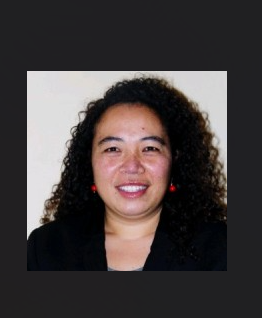
Solamalemalo Dr Hai-Yuean Tualima
Solamalemalo Dr Hai-Yuean Tualima is an Adjunct and Research Associate at Te Herenga Waka Victoria University of Wellington and a recognised Pacific expert in traditional knowledge, customary law, Indigenous rights, intellectual property, human rights, and Pacific legal systems. Born in Samoa and educated in New Zealand and Australia, her work bridges community knowledge, legal scholarship, and international policy.
Using Talanoa Research Methodology, Dr Tualima conducted extensive doctoral fieldwork in Samoa between 2018 and 2022, documenting traditional knowledge systems and community perspectives. She has published widely on traditional knowledge, cultural heritage, mātauranga Māori, intellectual property, and Pacific legal systems.
In 2023, Dr Tualima led Pacific country negotiations on the World Intellectual Property Organization (WIPO) Treaty on Intellectual Property, Genetic Resources and Traditional Knowledge. She was also the first Pacific Islander appointed as a WIPO Indigenous Fellow. In Samoa, she established the country’s first National Human Rights Institution and led work exploring the feasibility of a National Heritage Board. Dr Tualima is admitted as a Barrister and Solicitor in both New Zealand and Samoa.
-
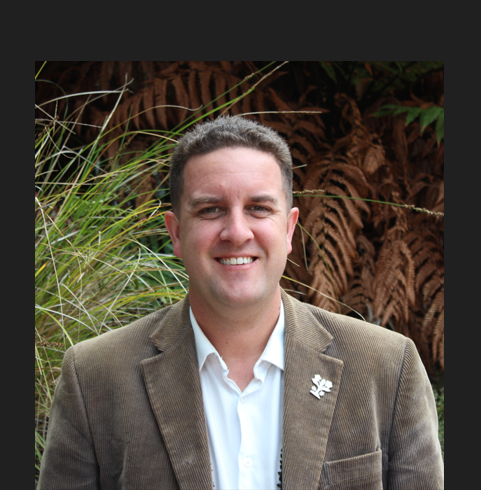
Dr Joseph Houghton
Dr Joseph Houghton is a Cook Islands Māori, Tahitian, and Pākehā (NZ European) educator, researcher, and Senior Lecturer in Education at Te Whare Wānanga o Waitaha | University of Canterbury. His research focuses on Pacific education, belonging, wellbeing, educational aspirations, leadership, and the relationships between schools, families, communities, and education systems. Grounded in Pacific methodologies, particularly Talanoa and Tīvaevae, his work seeks to strengthen educational outcomes and opportunities for Pacific learners and communities. Prior to entering academia, Joseph spent more than fifteen years as a teacher and educational leader in secondary schools. He continues to work collaboratively with schools, communities, government agencies, and academic colleagues on research, publications, and initiatives that connect educational research, policy, and practice. His research interests include Pacific education, culturally sustaining leadership, educational wellbeing, community engagement, Indigenous methodologies, and learner success.
-
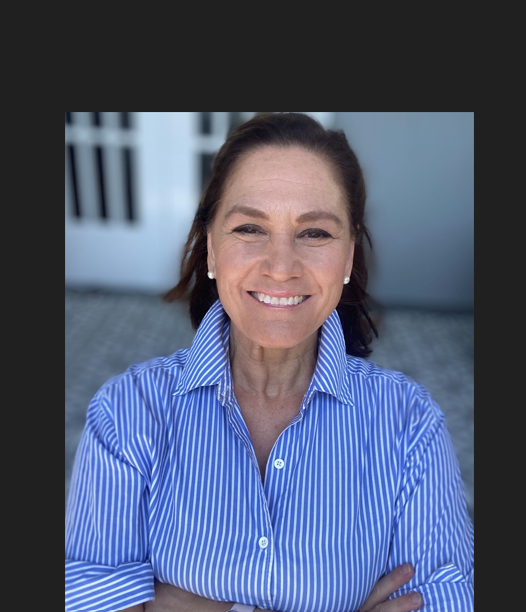
Tiaho Selwyn Jordan
Tūwharetoa, Ngāti Kōata, Ngāti Kuia, Ngāti Tōa
Born and raised on the Gadigal, Bidjigal and Birrabirragal Countries of the Eora Nation, Tiaho's work spans the arts, health research, Indigenous public policy and higher education. Guided by the question of what it means to live as Māori on the unceded lands of the First Peoples of Whenua te Moemoeā (Australia), she brings together tikanga (Māori lore), Indigenous scholarship and community-led practise in service of meaningful social change, and political reform.
Tiaho is leading an initiative that expands access to culture, belonging and wellbeing for Māori living in Australia, particularly those who have had limited opportunities to engage as Māori, with Māori.
Tiaho’s current scholarship includes a forthcoming Springer Nature book chapter exploring the role of waiata in strengthening Māori identity and wellbeing. As a PARC Research Fellow, Tiaho values the generosity, collaboration and kotahitanga (unity) that underpin the collective's work.